Blog 3
How to Choose the Right IT Recycling Service Provider: Key Factors to Consider
How to Choose the Right IT Recycling Service Provider: Key Factors to Consider
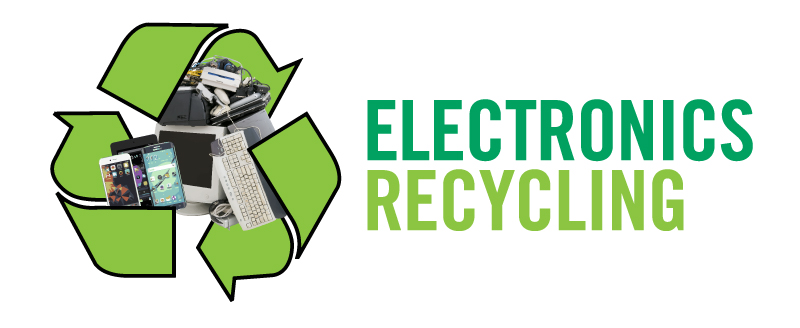
As businesses increasingly rely on technology, the need for proper IT recycling has never been more critical. Selecting the right IT recycling service provider is essential for ensuring secure disposal of IT assets, protecting sensitive data, and meeting environmental regulations. In this guide, we’ll explore the key factors to consider when choosing an IT recycling service provider, helping your business make informed decisions.
E-waste, or electronic waste, refers to discarded electrical or electronic devices. This includes everything from old computers and servers to mobile phones and printers. As technology evolves rapidly, businesses often upgrade their equipment, leading to a significant increase in e-waste.
Improper disposal of e-waste can have severe consequences, including:
Certified IT recycling providers specialise in the secure disposal of electronic waste while adhering to environmental standards. By partnering with a reputable provider, businesses can mitigate risks associated with e-waste disposal and ensure compliance with regulations.
When selecting an IT recycling service provider, businesses should consider several critical factors:
Ensure that the IT recycling provider holds relevant industry certifications, such as:
Verify that the provider complies with local, national, and international regulations regarding e-waste disposal. This includes adherence to the Waste Electrical and Electronic Equipment (WEEE) Directive and the Resource Conservation and Recovery Act (RCRA).
Choose a provider that offers certified data wiping services to ensure that all sensitive information is irretrievable. Look for software that meets industry standards, such as those outlined by the National Institute of Standards and Technology (NIST).
In cases where data wiping is insufficient, ensure the provider offers physical hard drive destruction services. Ask about their methods for destruction and whether they provide certificates of destruction for compliance documentation.
Evaluate the provider's e-waste recycling practices. They should prioritise recycling over landfill disposal and ensure that hazardous materials are handled appropriately. Ask about their recycling processes and the percentage of materials they recycle.
Choose a provider that offers transparent reporting on the recycling process, including the materials recycled and their end-of-life destinations. This information is vital for demonstrating environmental compliance.
Research the provider’s reputation within the industry. Look for reviews, testimonials, and case studies that highlight their commitment to data security and environmental responsibility. Consider reaching out to other businesses for recommendations.
Choose a provider with a proven track record in IT recycling. An experienced provider is more likely to understand the complexities of e-waste disposal and adhere to best practices.
Evaluate the provider’s customer support and responsiveness. A reliable provider should be accessible and willing to address your questions or concerns promptly.
Consider whether the provider offers additional services, such as asset management, transportation, and inventory tracking. Comprehensive services can simplify the recycling process and provide added value to your business.
When choosing an IT recycling provider, consider their location. A nearby provider can offer faster and more cost-effective services, reducing transportation costs and logistics challenges.
Ensure that the provider has efficient transportation solutions in place. They should be able to collect your IT assets securely and manage the logistics of transportation to their facility.
Choosing the right IT recycling service provider involves a systematic approach. Here are the steps to guide your selection process:
Start by researching potential IT recycling providers in your area. Use online resources, industry directories, and referrals from trusted sources. Compile a list of candidates to evaluate.
Once you have a list of potential providers, evaluate their credentials. Check for certifications, licences, and compliance with relevant regulations. Ensure that they meet your organisation’s data security and environmental standards.
Contact the shortlisted providers and request detailed proposals outlining their services, pricing, and processes. This will help you compare their offerings and make an informed decision.
If possible, conduct site visits to the providers’ facilities. This allows you to assess their operations, recycling processes, and security measures firsthand. A reputable provider will welcome such visits and demonstrate their commitment to responsible practices.
Before finalising your choice, review the provider’s contracts and service agreements carefully. Pay attention to terms related to data security, liability, and compliance. Ensure that you are comfortable with all terms before signing.
After thorough research and evaluation, make your decision based on the provider that best aligns with your organisation’s needs and values. Consider factors such as data security, environmental responsibility, and overall reputation.
Working with a certified IT recycling provider offers numerous advantages for businesses:
By partnering with a certified provider, businesses can ensure that their sensitive data is handled securely, minimising the risk of data breaches.
A reputable provider will help businesses comply with relevant regulations, reducing the risk of legal liabilities and penalties.
Choosing a responsible recycling provider supports environmental sustainability by promoting proper e-waste recycling practices and reducing landfill waste.
Partnering with a certified IT recycling provider can be cost-effective in the long run. By ensuring proper disposal and recycling, businesses can avoid potential fines and legal issues associated with improper disposal.
Engaging in responsible e-waste recycling can enhance your business’s reputation. Customers and stakeholders increasingly prefer to associate with companies that prioritise sustainability and ethical practices. A strong commitment to IT recycling can improve your brand image and customer loyalty.
A qualified IT recycling provider can streamline your organisation’s e-waste disposal processes. They often offer inventory management and logistics support, making it easier to track IT assets throughout their lifecycle.
One of the most common misconceptions is that all IT recycling providers offer the same level of service. In reality, there can be significant differences in their capabilities, certifications, and commitment to data security and environmental practices. It's essential to conduct thorough research and evaluate multiple providers to find the best fit for your needs.
Many businesses believe that simply wiping data from their devices is sufficient for data security. However, this is not always the case. Data wiping can be reversible, especially with sophisticated recovery techniques. Physical destruction of hard drives may be necessary for complete data security, especially for sensitive information.
While there may be costs associated with IT recycling services, the potential costs of non-compliance and data breaches can far outweigh the expenses. Additionally, many providers offer competitive pricing, and the long-term savings from proper disposal and recycling often make it a worthwhile investment.
Not all electronic waste is recyclable, and some components may need specialised handling due to hazardous materials. It’s important to choose a provider that understands the complexities of e-waste and follows responsible recycling practices.
Choosing the right IT recycling service provider is essential for businesses looking to dispose of their electronic waste securely and responsibly. By considering key factors such as certification, data security measures, environmental responsibility, and reputation, businesses can make informed decisions that protect sensitive information and promote sustainability.
For expert assistance in IT recycling, look no further than Capital IT Recycling. Our certified services ensure secure IT asset disposal and compliance with environmental standards, providing peace of mind for your business. We prioritise data security and environmental responsibility, making us the ideal partner for your IT recycling needs.
Refer to the following guidelines and resources for more information on IT recycling and e-waste management:
Keep abreast of industry news and updates on e-waste regulations and best practices. Subscribe to relevant newsletters and follow industry leaders on social media to stay informed about emerging trends in IT recycling.
Consider participating in local e-waste recycling events and initiatives. Many communities host events to collect and recycle e-waste, providing businesses and individuals with convenient disposal options while supporting sustainable practices.
Businesses should consider developing a formal IT recycling policy outlining their approach to e-waste disposal. This policy should include guidelines for asset management, data security, and partnerships with certified recycling providers.